Empowering the energy transformation in the South Pacific! Cross-sector team visits Tari City, Papua
Papua New Guinea, as a Pacific island country with both energy potential and demand, currently only has about 13% of its population enjoying reliable electricity. Rural areas have long relied on diesel generators or are completely without electricity, and energy shortage has become a key bottleneck constraining economic development and improvement of people's livelihood.
To change this situation, the PNG government has set a grand goal of achieving electricity access for 70% of households nationwide by 2030, and renewable energy is the core path to achieve this goal.
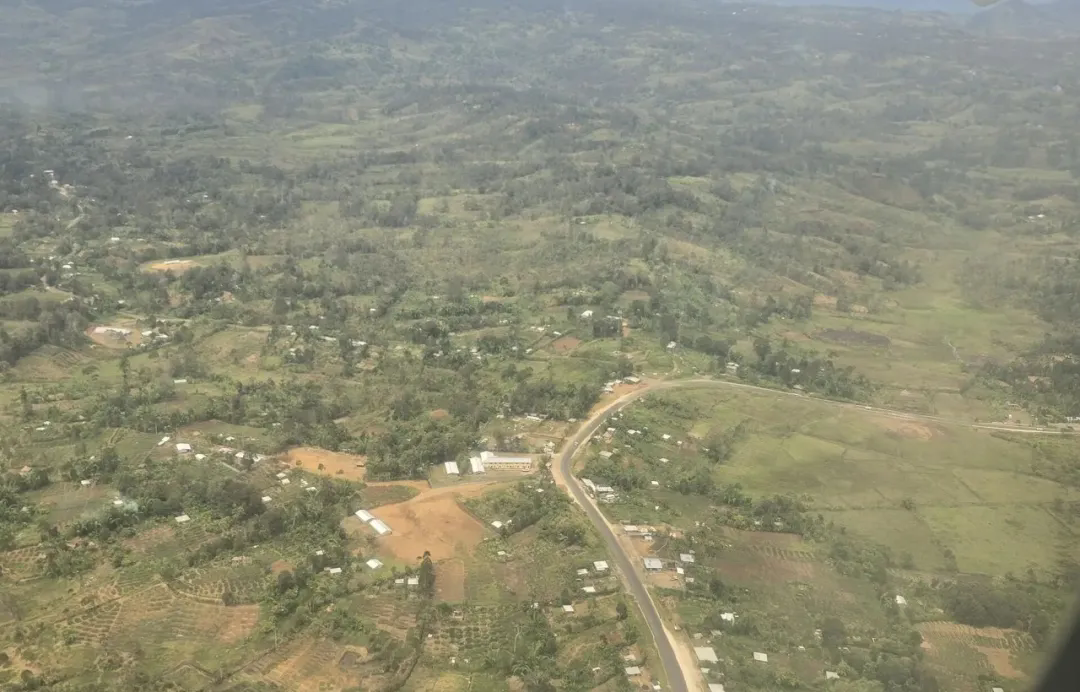
Tali City is located in the core area of the Southern Highlands Province in Papua New Guinea. The surrounding agricultural and small-scale industries have an increasingly urgent need for stable electricity supply. However, traditional energy supply methods not only incur high costs but also impose a severe environmental burden.
The 1.5MW solar greenhouse energy storage project planned this time innovatively combines photovoltaic power generation with energy storage systems. It not only fully utilizes the abundant solar energy resources in Papua New Guinea, but also addresses the mismatch between power supply and demand through energy storage technology. This project can provide continuous and stable power supply to local communities and industries, becoming an important benchmark for renewable energy demonstration projects in Papua New Guinea.
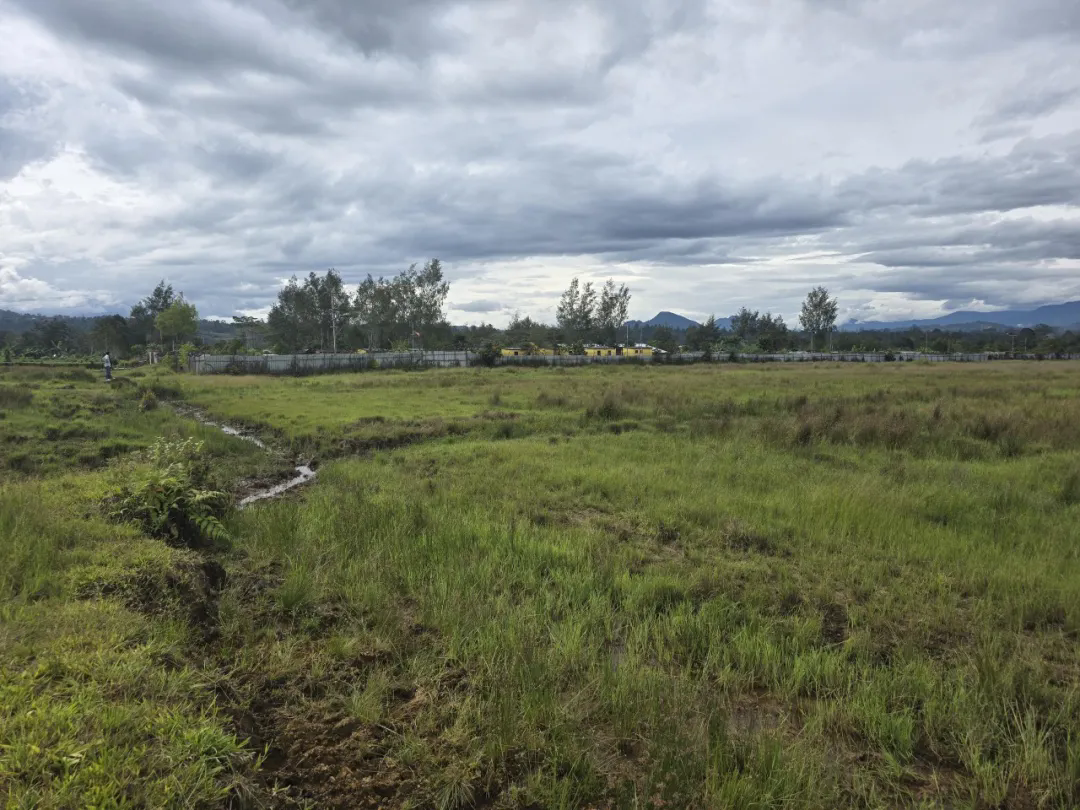
In the topographical and environmental survey, the designer focused on verifying the geological stability of the project site, eliminating potential disaster risks such as landslides and mudslides, and confirming that the land parcel did not violate restrictions such as ecological red lines and basic farmland, ensuring that the project meets the urban and rural planning requirements of Papua New Guinea.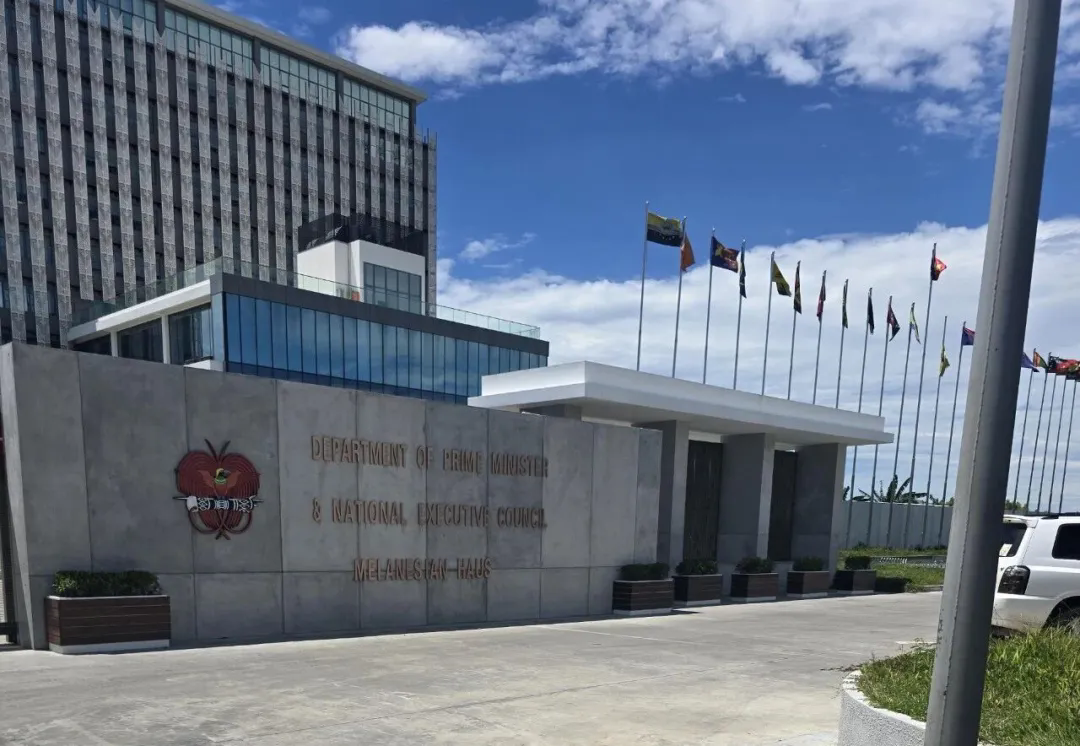
In the electrical condition connection phase, the team conducted in-depth communication with the local power department in Papua New Guinea to verify the surplus capacity of the regional power grid, submitted an inquiry regarding grid connection intentions, and simultaneously promoted the early-stage work connection of the access system to avoid the issue of "grid islanding".
In addition, the team conducted a focused investigation on local meteorological data, residents' electricity consumption habits, and industrial electricity demand, providing first-hand information for the configuration of energy storage system capacity and the formulation of charging and discharging strategies. This ensures that the project not only meets current needs but also reserves space for future expansion.
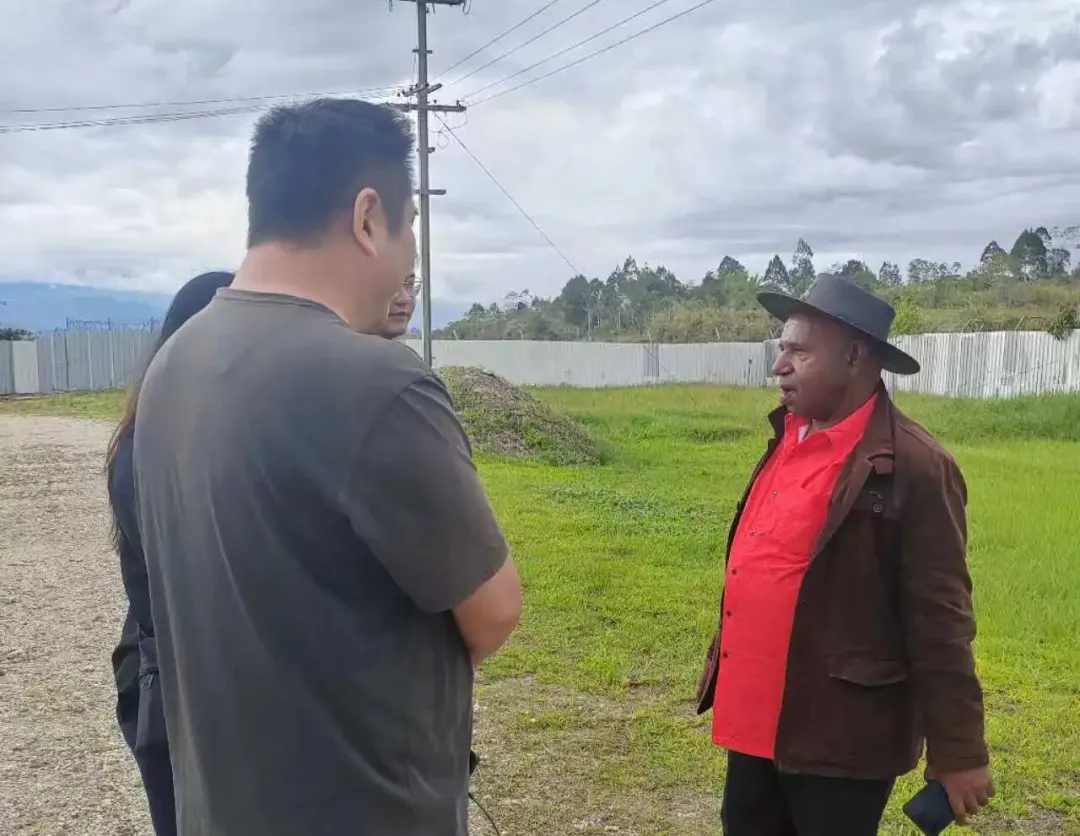
At the level of government-enterprise collaboration, the team elaborated on the project investment planning, construction period, environmental benefits, and community empowerment value with the local government. The local government highly recognized the green attributes and significance of the project to people's livelihood, and promised to provide convenient conditions such as land support and policy support, paving the way for the subsequent construction of the project.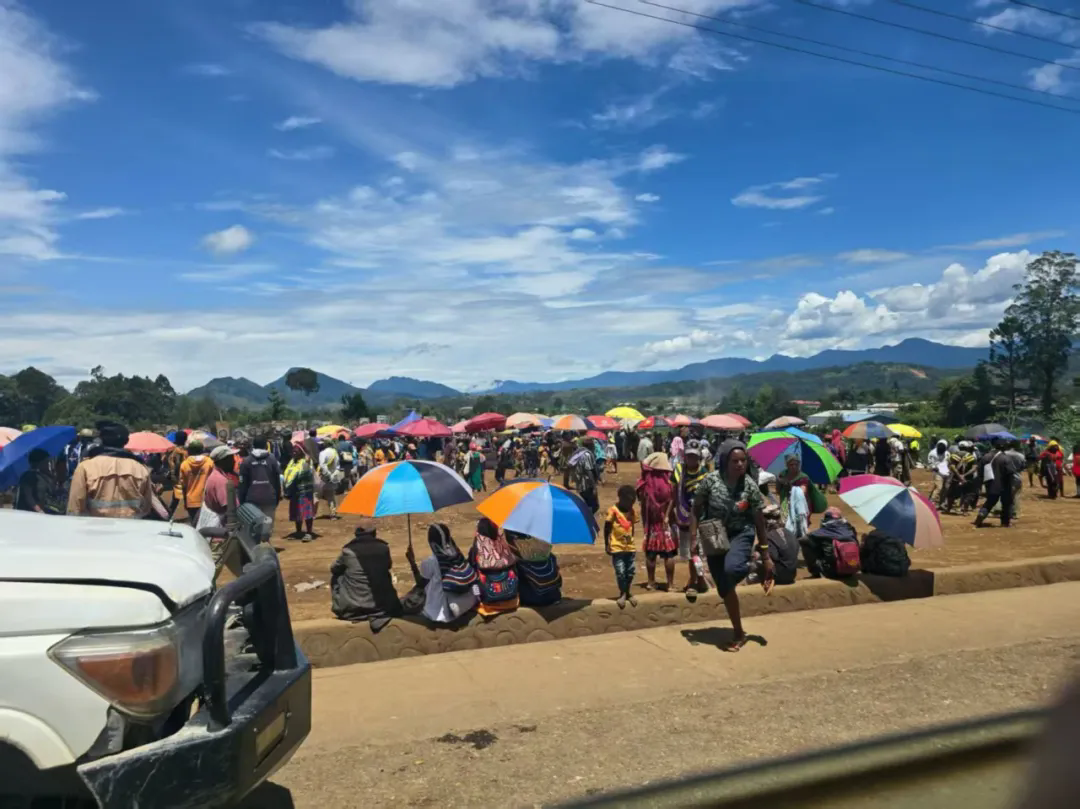
The recent exploration and coordination in Tali City is not only a crucial step for the 1.5MW solar greenhouse energy storage project, but also a vivid practice of implementing the "Green Silk Road" concept. Upon completion, the project will replace traditional diesel power generation, providing strong support for Papua New Guinea to address climate change and achieve green transformation.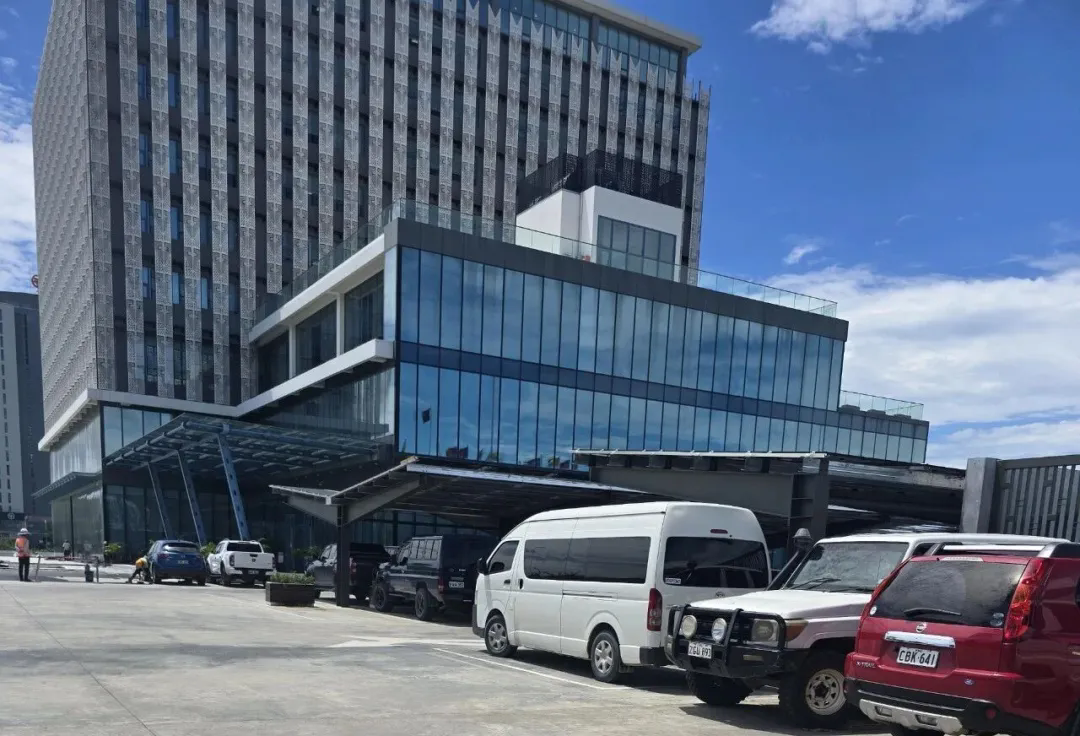
Next, the team will accelerate the project implementation process based on the survey data. We firmly believe that with our joint efforts, the 1.5MW solar greenhouse energy storage project will soon take root in Tully, transforming the sunshine of the South Pacific into a steady stream of green electricity, illuminating the path of local development, and writing a new chapter in cross-border new energy cooperation!
This exploration journey across mountains and seas not only gauges the potential of the land but also builds a bridge of trust. Let us look forward together to the green power empowering the South Pacific and achieving a win-win future!